Windows play an important role in keeping your home warm and comfortable, particularly during the colder months. However, if your windows are ageing, poorly insulated, or no longer fitting properly, they could be allowing heat to escape. This can leave rooms feeling colder, make your heating system work harder, and contribute to higher energy bills.
Recognising the signs of heat loss early can help you understand whether your windows need attention. Issues such as persistent draughts, condensation, cold spots, and deteriorating frames can all indicate that your windows are no longer performing as effectively as they should.
In this guide, we explore six common signs that your windows are losing heat, explain what causes these problems, and look at how professional repairs, draught-proofing, or replacement windows can improve your home’s thermal efficiency.
Key Takeaways
- →
Cold draughts and uncomfortable rooms: Gaps around window frames, worn seals, and poorly fitting sashes can allow warm air to escape and cold air to enter. - →
Condensation and misted glazing: Excess moisture on window panes or condensation between double-glazed units can indicate problems with insulation or glazing performance. - →
Increasing heating bills: Inefficient windows can make it harder to maintain a comfortable indoor temperature, potentially increasing energy consumption. - →
Repairs or replacement can improve efficiency: Professional draught-proofing, window repairs, and modern glazing solutions can help reduce heat loss while maintaining your property’s appearance.
6 Signs Your Windows Are Losing Heat
The table summarises six common warning signs to look out for, with further details on each below.
| Sign | What to Look For |
|---|---|
| 1. Cold draughts | Feeling cold air around closed windows or noticing curtains moving when there is no obvious breeze. |
| 2. Cold rooms and spots | Rooms that remain cold despite the heating being on, particularly near windows. |
| 3. Condensation | Persistent moisture on the inside of the glass or misting between double-glazed panes. |
| 4. Increasing energy bills | Higher heating costs that could indicate your windows are allowing too much heat to escape. |
| 5. Difficult-to-operate windows | Sash windows that stick, jam, or fail to close securely. |
| 6. Increased outside noise | Traffic and other external sounds becoming more noticeable inside your home. |
1. Cold Draughts Around Your Windows
One of the clearest signs that your windows are losing heat is the presence of cold draughts. You might notice a chill when sitting near a window, feel cold air around the frame, or find that curtains move slightly even when the windows are closed.
Draughts commonly occur when gaps develop between the window frame and the surrounding structure, or between the moving parts of the window itself. Over time, seals and weatherstripping can deteriorate, while timber frames may shrink, swell, or become damaged.
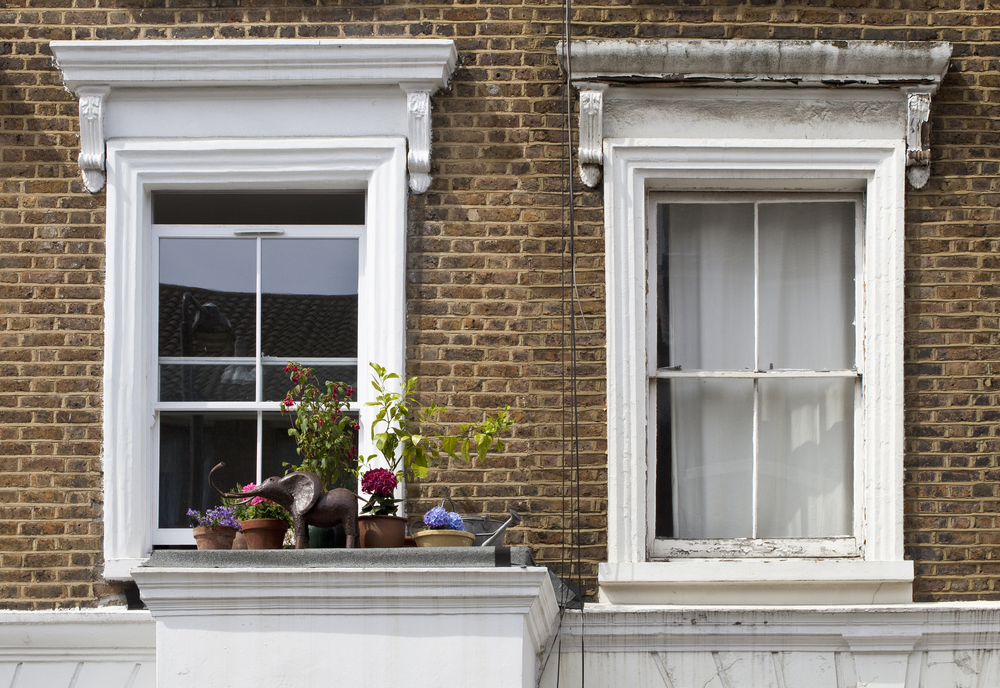
This is particularly relevant to traditional sash windows, which rely on carefully fitted moving sections to create a secure closure. If the sashes no longer sit correctly within their frames, small gaps can develop, allowing cold air to enter and warm air to escape.
As well as making individual rooms less comfortable, persistent draughts can affect your home’s overall energy efficiency. Your heating system may need to work harder to maintain the desired temperature, potentially increasing your energy bills.
2. Certain Rooms Feel Colder Than Others
Have you noticed that some rooms in your home are consistently colder than others, even when the central heating is running? If the temperature difference is particularly noticeable near your windows, poor thermal performance could be contributing to the problem.
Heat naturally moves towards colder areas, and windows are often one of the less insulated parts of a property’s external structure. Single-glazed windows, in particular, provide limited insulation, allowing more heat to pass through the glass.
If certain rooms are consistently difficult to keep warm, it is worth inspecting the condition and type of glazing fitted to your windows. Older or inefficient windows may benefit from improvements to their insulation.
3. Condensation Appearing on Your Windows
Condensation is another common sign that your windows may have poor thermal performance. It occurs when warm, moisture-filled air inside your home comes into contact with a colder surface, causing water vapour to turn into droplets.
During colder weather, this often happens on the inside of windows, particularly when the glazing is poorly insulated. Single-glazed windows are more susceptible because the glass becomes colder when temperatures outside drop.
However, it is important to distinguish between different types of condensation:
- Condensation on the inside of the glass: This can indicate that the internal glass surface is getting particularly cold, although high indoor humidity and poor ventilation can also contribute.
- Condensation between double-glazed panes: If you notice misting or moisture trapped inside the glazing unit, the sealed unit may have failed, allowing moisture to enter the space between the panes.
- Condensation on the outside of the glass: This can occur with energy-efficient glazing and is not necessarily a sign of a problem, as the external pane may remain cooler because less heat is escaping from inside.
Persistent internal condensation should not be ignored. Excess moisture can encourage mould growth and cause damage to surrounding timber, paintwork, and window frames.
4. Your Energy Bills Are Increasing
If your energy bills have been gradually increasing, your windows could be one of several contributing factors.
When windows have poor insulation or gaps around their frames, heat escapes more easily. This means your heating system may need to run for longer to maintain a comfortable indoor temperature, using additional energy in the process.
The impact can be particularly noticeable in properties with older single-glazed windows or traditional sash windows that have not been properly maintained.
Of course, energy prices, heating habits, and other insulation issues can all affect your bills. However, if you have noticed increasing costs alongside other signs of heat loss, your windows are worth investigating.
5. Your Windows Are Becoming Difficult to Open or Close
Timber windows naturally respond to changes in temperature and humidity. Over time, this can cause the wood to expand, contract, or warp, potentially affecting how the moving sections fit within the frame.
With sash windows, worn mechanisms, damaged cords, or poor alignment can prevent the sashes from closing properly. Even a relatively small gap can allow cold air to enter and warm air to escape.
You should also pay attention to whether your windows close securely. If you can see visible gaps around the edges when the window is shut, the seals or fitting may need attention.
6. You Can Hear More Outside Noise Than Before
An increase in external noise entering your home could be another indication that your windows are no longer sealing effectively.
Well-fitted windows help reduce the amount of outside sound that enters a property. However, if gaps develop around the frame or between the moving sections, sound can travel through these openings more easily.
You might notice that traffic, passing conversations, or other outdoor noises seem louder than they used to be, particularly in rooms facing busy roads.
Although external noise can be affected by several factors, poorly fitting windows can contribute to both reduced sound insulation and increased heat loss. If you are experiencing both issues, it may be worth arranging a professional inspection.
Also read: Sash Window Heating Efficiency for Winter

How Can You Improve Windows That Are Losing Heat?
If you have recognised any of these signs in your home, the next step is to establish whether your windows need repairing or replacing.
The good news is that heat loss does not always mean you need completely new windows. In many cases, improvements to existing windows can make a noticeable difference to their thermal performance.
There are several options worth considering:
- Professional window repairs: Damaged frames, worn mechanisms, deteriorating putty, and faulty seals can all affect how effectively your windows retain heat. Professional repairs can address these problems and restore the condition and functionality of existing windows, which is particularly beneficial for traditional timber sash windows.
- Draught-proofing: Fitting suitable seals around moving sections and window frames can reduce unwanted air movement. Professional sash window draught-proofing can improve comfort and reduce heat loss while preserving the traditional appearance of your windows.
- Upgrade to double or triple glazing: If your property still has single-glazed windows, upgrading to double or triple glazing can improve thermal insulation. Double glazing uses two panes of glass separated by an insulating gap, while triple glazing adds another pane and insulating gap.
- Consider K-Glass: This low-emissivity glazing features a specialist coating that reflects heat into the room, helping to reduce heat loss while allowing natural daylight to pass through. It can be incorporated into modern double- or triple-glazed units.
- Consider replacement windows: If your existing windows are severely damaged, deteriorating, or no longer suitable for repair, replacement may be the most practical long-term option. Bespoke timber sash windows can incorporate modern glazing and durable materials while complementing your property’s architectural style.
Top Tip
Accoya wood is particularly worth considering for replacement timber sash windows. It undergoes a specialist modification process that improves its stability and resistance to decay, making it a durable, low-maintenance option for external joinery.
Improve Your Window Efficiency With Woodcock Sash Windows
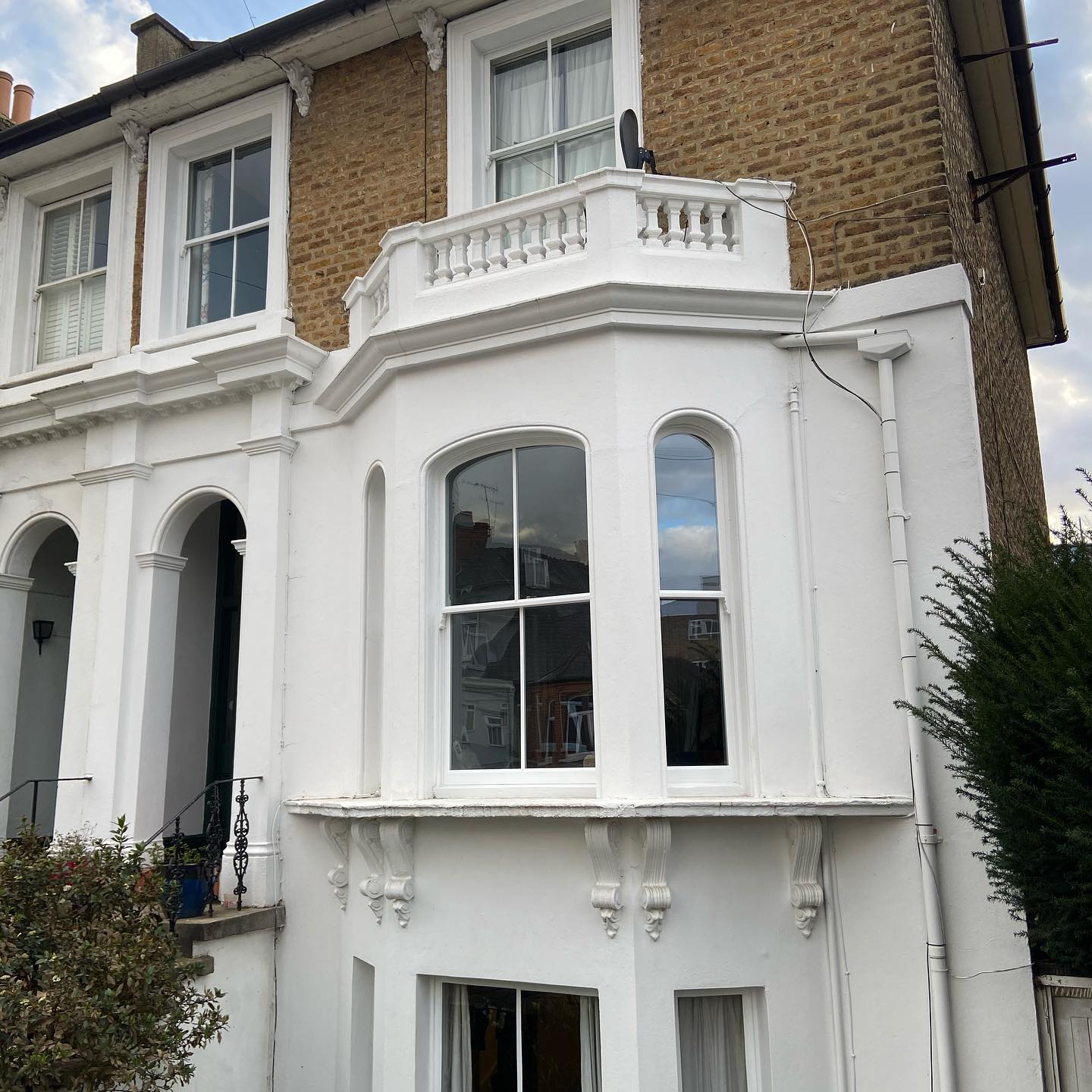
If your windows are showing signs of heat loss, Woodcock Sash Windows can help you find the right solution for your property as specialist providers of sash windows in Surrey and London. With nearly 20 years of experience, our team specialises in bespoke timber sash windows, combining traditional craftsmanship with modern materials and glazing technology.
All our sash windows are manufactured in-house at our workshop in Chertsey, Surrey, using Accoya wood. As an Accoya-approved manufacturer, we use this durable and sustainable timber to create high-quality windows designed for long-lasting performance and minimal maintenance.
Read more: What is Accoya Wood?
We are also FENSA-certified and fully insured, giving homeowners confidence in the quality of our products and installation services.
If you have noticed draughts, condensation, or other signs that your windows are losing heat, contact Woodcock Sash Windows today to discuss your requirements and find the right solution for your home.