Sash windows are a common feature in many homes across the UK, valued for their appearance, practicality, and long-standing use in both traditional and modern properties. For homeowners considering installation, maintenance, or replacement, they often come with a range of important questions.
In this article, we answer some of the most frequently asked questions about sash windows, covering their benefits, energy efficiency, maintenance, lifespan, and the regulations you need to be aware of.
1. Are Sash Windows Still Popular in London?
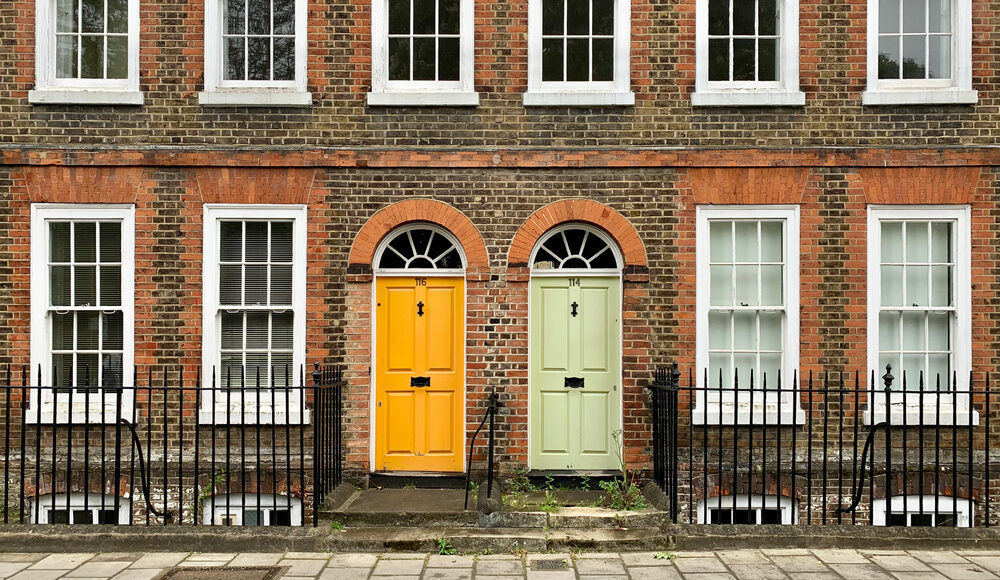
Sash windows remain widely used in London due to their strong association with Georgian, Victorian, and Edwardian architecture, and they continue to be a common feature in both period and modern properties.
Also read: History of Sash Windows in London
2. What Are the Benefits of Sash Windows?
Sash windows offer a range of key benefits for homeowners:
- Aesthetics: They provide a classic, elegant appearance that enhances the character of a property.
- Durability: Sash windows can last for many years and can even outlast other window types.
- Energy efficiency: Modern glazing options like double or triple glazing help improve heat retention and reduce energy loss.
- Natural light: Their large panes of glass allow plenty of daylight into the home, reducing reliance on artificial lighting.
- Versatility: A range of designs is available to suit different property styles.
At Woodcock Sash Windows, we offer both casement windows and traditional box sash windows in London.
3. Do Sash Windows Add Value to a Property?
Sash windows can add value to a property by enhancing its overall appearance and maintaining the character of period homes, which is often desirable to buyers. Improvements such as modern glazing can also increase energy efficiency, making the property more appealing and potentially increasing its market value.
Also read: How Sash Windows Increase Property Prices
4. Are Sash Windows Heating Efficient?
Sash windows can be heating efficient, depending on how they are designed and constructed. The overall performance of a window is influenced by factors such as the glazing, frame material, and seals, all of which affect how well heat is retained within the home.
5. What Are Common Signs That My Sash Windows Are No Longer Energy Efficient?
There are several signs that sash windows may no longer be energy efficient:
- Cold draughts: Air entering through gaps around the frame, often caused by worn seals or warping.
- Rising energy bills: Increased heating use can indicate that heat is escaping from the home.
- Single glazing: Older single-glazed windows provide limited insulation and allow more heat loss.
- Condensation: Water droplets forming on the glass can signal poor insulation.
- External noise: Increased noise from outside may indicate gaps or poor sealing.
- Difficulty opening or closing: Worn mechanisms or warped frames can prevent windows from sealing properly.
6. What Can I Do to Improve Sash Window Heating Efficiency?
There are several ways to improve the heating efficiency of sash windows:
- Regular maintenance: Keeping frames, seals, and moving parts in good condition can help prevent draughts and heat loss.
- Curtains or thermal blinds: Adding thick curtains or insulated blinds can help retain warmth, particularly during colder months.
- Sealing gaps: Using draught-proofing materials such as weatherstrips or sealants can reduce cold air entering the home.
- Insulation film: Applying window film can create an additional barrier to limit heat loss.
- Upgrading glazing: Replacing single glazing with double, triple, or secondary glazing can significantly improve insulation.
- Professional draught-proofing: Enlisting specialist repair services, such as the window repairs in Surrey offered by Woodcock Sash Windows, can improve sealing and overall window performance while maintaining the original design.
7. Why Is Regular Sash Window Maintenance Important?
Regular sash window maintenance helps prevent common issues such as sticking, rot, and paint deterioration, keeping the windows fully functional and visually appealing. It can also extend their lifespan, improve energy efficiency by reducing draughts, and help avoid more costly repairs by addressing minor problems early. For period properties, ongoing maintenance is important to preserving their original character and aesthetic.
8. What Maintenance Do Sash Windows Require?
Sash windows require routine upkeep to remain in good condition:
- Cleaning: Regularly clean the frames and glass to remove dirt and prevent build-up.
- Inspections: Check for signs of damage such as cracks, peeling paint, or moisture-related issues.
- Lubrication: Keep pulleys, runners, and moving parts operating smoothly.
- Repainting: Refresh paintwork periodically, typically every seven years, to protect the timber from weather exposure. At Woodcock, we use paint systems guaranteed for 15 years.
- Seasonal checks: Inspect windows throughout the year to address issues caused by changing weather conditions, such as cleaning and inspecting them in spring, checking for sun damage and removing debris in summer, inspecting seals and draughts in autumn, and checking for condensation and ensuring moving parts remain functional in winter.
9. How Long Do Sash Windows Typically Last?
Timber sash windows are highly durable and can last for 80 to 100 years or more when properly maintained. However, their lifespan can vary depending on factors such as material quality, exposure to weather conditions, and how well they have been maintained over time.
High-quality timber such as Accoya or oak tends to last significantly longer due to its resistance to wear and environmental stress, while poor maintenance or previous damage can reduce overall longevity.
10. What Are the Common Signs That I Should Replace My Sash Windows?
There are several signs that sash windows may need replacing rather than repairing. These issues often indicate reduced performance, structural wear, or declining energy efficiency.
| Sign | Description |
|---|---|
| Faulty or outdated locks | Broken or ineffective locking systems that may compromise home security |
| Sticking or faulty sashes | Windows that are difficult to open, close, or no longer stay in place properly |
| Draughts or loose fittings | Cold air entering through gaps around the frame or poorly sealed sections |
| Rotting or damaged timber | Visible decay, cracking, or soft timber that weakens the structure and appearance |
| Poor insulation or condensation | Reduced thermal efficiency leading to heat loss or moisture forming on glass |
| Frequent repair needs | Repeated maintenance becoming more costly than replacing the windows entirely |
11. Why Is Accoya Wood Suited to Sash Windows?
Accoya wood is well-suited to sash windows because it is highly stable, swelling and shrinking far less than traditional softwoods. This helps ensure smooth operation, strong draught resistance, and long-term durability. It also requires less maintenance, offers good thermal performance, and provides a natural, high-quality finish suitable for both period and modern properties.
12. Is Planning Permission Required for Replacing Sash Windows?
Planning permission is not usually required for replacing sash windows, provided the work is classed as a like-for-like replacement. However, permission is typically needed in certain cases, such as:
- Listed buildings: Where Listed Building Consent is required for any work that affects the building’s architectural or historic character, including changes to exterior features such as windows.
- Conservation areas: Permission may be required if changes affect the appearance or materials of the windows.
- Non-like-for-like replacements: Where the design, style, or materials differ significantly from the original windows.
It is always recommended to check with the local planning authority (LPA) before starting any work.
13. What Are the Main Building Regulations That Apply to Sash Windows?
All replacement windows in the UK must comply with Building Regulations, which cover several key areas to ensure safety and performance. The main requirements are:
- Part L (Conservation of Fuel and Power): Sets standards for the energy efficiency of windows.
- Part B (Fire Safety): Applies to windows used as escape routes in the event of a fire.
- Part F (Ventilation): Ensures adequate background ventilation is provided.
- Part K (Protection from falling, collision, and impact): Requires safety glass in certain locations to reduce injury risk.
14. What Is FENSA Certification for Sash Window Installation?
FENSA (Fenestration Self-Assessment Scheme) is a government-authorised scheme that ensures replacement windows and doors comply with UK Building Regulations. For sash window installations, a FENSA certificate confirms that the work has been carried out by a registered installer and meets the required standards for energy efficiency, safety, and ventilation.
It also provides homeowners with proof of compliance, which is often needed when selling a property, as it verifies that the installation has been properly registered and meets current regulations. Woodcock Sash Windows is FENSA-certified, meaning our installations are carried out in line with these approved standards.
Also read: A Guide to FENSA Certification: What it Means
Speak to Sash Window Specialists at Woodcock Sash Windows
“We focus on making sash windows that stay true to the property while improving how they perform day to day. It’s about getting the balance right between traditional appearance and modern efficiency,” says Ben Woodcock, Woodcock Sash Windows
At Woodcock Sash Windows, we provide a complete service from design and manufacture through to installation and repair for sash windows in Surrey and beyond. All work is carried out using high-quality materials, including Accoya timber, with a focus on durability, energy efficiency, and preserving the character of your property.
Get in touch with Woodcock Sash Windows to discuss your project and find the right solution for your home.